
Recovery is an important part of maintaining an active and healthy lifestyle. Whether you exercise regularly, participate in sports, or simply deal with everyday physical stress, giving your body enough time to rest can make a big difference.
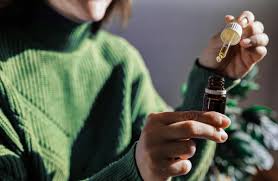
CBD oil has become a popular wellness product among people interested in recovery. Some users include CBD in their routines after exercise or during periods of physical discomfort. But what does the research actually say about CBD oil and recovery?
CBD, short for cannabidiol, is a compound found in the cannabis plant. Unlike THC, CBD does not produce the typical intoxicating high associated with cannabis. While researchers are studying its potential effects on areas such as pain, inflammation, sleep, and relaxation, evidence about CBD and recovery is still developing.
What Is CBD Oil?
CBD oil is generally made by extracting cannabidiol from hemp or cannabis plants and combining it with a carrier oil. Common carrier oils include MCT oil, hemp seed oil, and olive oil.
CBD products can come in different forms and concentrations. CBD oil is commonly taken orally, while other products include capsules, gummies, creams, and topical formulations.
It is important to remember that not all CBD products are the same. Their concentration, ingredients, extraction methods, and quality can vary between manufacturers.
Why Is CBD Used for Recovery?
Physical recovery involves several processes. After exercise or strenuous activity, the body needs time to recover from temporary muscle stress and restore energy.
People interested in CBD oil and recovery often use it because they are interested in its potential relationship with:
- Physical discomfort
- Relaxation
- Sleep
- Post-exercise wellness
- Muscle recovery
- Stress management
However, interest in these areas does not mean CBD has been proven to improve recovery in every person.
CBD Oil and Post-Workout Recovery
After an intense workout, muscles can feel tired or uncomfortable. Rest, hydration, proper nutrition, and adequate sleep are important parts of the recovery process.
Some people use CBD as part of their post-workout routine. Research has explored CBD and exercise-related recovery, but there is not enough high-quality evidence to say that CBD directly speeds up muscle recovery.
If you use CBD after exercise, it should be considered a complementary wellness option rather than a replacement for proven recovery strategies.
CBD and Muscle Soreness
Muscle soreness can occur after unfamiliar or intense physical activity. This is commonly known as delayed-onset muscle soreness, or DOMS.
CBD is being studied for its potential effects on pain and inflammation-related processes. However, research specifically examining CBD for exercise-induced muscle soreness is still limited.
Instead of relying on CBD alone, people experiencing muscle soreness can focus on established recovery practices such as:
- Getting adequate rest
- Staying hydrated
- Eating enough protein and nutrients
- Performing gentle movement
- Gradually increasing exercise intensity
- Getting sufficient sleep
CBD Oil and Sleep During Recovery
Sleep plays a major role in physical recovery. During sleep, the body carries out processes that support muscle repair, energy restoration, and overall well-being.
Some people use CBD products as part of their nighttime routine. CBD and sleep have been studied by researchers, but evidence remains mixed and more research is needed.
If poor sleep continues regularly, it is worth identifying the underlying cause rather than assuming that CBD is the solution.
Maintaining a consistent sleep schedule, limiting caffeine late in the day, reducing screen exposure before bedtime, and creating a comfortable sleeping environment can also support better sleep.
Does CBD Reduce Inflammation?
Inflammation is a complex biological process that plays different roles in the body. CBD is often marketed as having anti-inflammatory properties, and laboratory research has investigated how cannabinoids may interact with inflammatory pathways.
However, results from laboratory and animal studies cannot automatically be applied to humans.
For this reason, claims that CBD oil can eliminate exercise-related inflammation or dramatically speed up recovery should be treated cautiously.
CBD and Relaxation After Exercise
Recovery is not only about muscles. Relaxation can also be an important part of an overall recovery routine.
Some people use CBD products as part of a relaxing evening routine after physical activity. Individual experiences can vary, and research into CBD’s effects on relaxation and stress is still developing.
Combining relaxation practices with adequate rest may be more useful than depending on a single product.
Can CBD Improve Athletic Performance?
CBD should not be confused with a performance-enhancing substance.
There is currently no strong evidence that CBD directly improves strength, endurance, speed, or athletic performance.
Some athletes may be interested in CBD because of its potential relationship with areas such as sleep, stress, and physical discomfort. However, these possible uses are different from proving that CBD improves athletic performance.
Athletes should also check the rules of their sport and applicable anti-doping regulations before using any cannabinoid product.
What Are the Potential Benefits of CBD for Recovery?
Research into CBD and recovery is ongoing, but areas of interest include:
1. Supporting Relaxation
CBD may be incorporated into a relaxation routine by people who want to unwind after physical activity.
2. Exploring Sleep Support
Because sleep is an important part of recovery, researchers are studying whether CBD may have a role in sleep-related wellness.
3. Managing Everyday Physical Discomfort
CBD is being researched in connection with pain-related processes. However, evidence differs depending on the condition and type of product.
4. Supporting a Broader Wellness Routine
Some people use CBD alongside exercise, healthy nutrition, hydration, and proper rest as part of their overall wellness routine.
What Are the Side Effects of CBD?
CBD is generally considered different from THC because it does not cause the same intoxicating effects. However, CBD can still cause side effects in some people.
Possible side effects may include:
- Drowsiness
- Fatigue
- Digestive discomfort
- Diarrhea
- Changes in appetite
- Changes in how certain medications work
CBD can interact with some medications. If you take prescription medicines or regularly use other supplements, talk with a doctor or pharmacist before adding CBD to your routine.
How to Choose a CBD Oil for Recovery
If you decide to explore CBD oil, product quality is important.
1. Check the CBD Amount
Look at the label to understand how much CBD is contained in the product and how much is present per serving.
2. Review the Ingredients
Choose products with clear ingredient information. Avoid products that do not clearly explain what they contain.
3. Look for Independent Testing
Third-party laboratory testing can provide additional information about the product’s cannabinoid content and potential contaminants.
4. Understand the Type of CBD
CBD products may contain CBD isolate, broad-spectrum CBD, or full-spectrum CBD. These products can differ in their cannabinoid and plant-compound content.
Understanding these differences can help you select a product that matches your preferences.
CBD Is Not a Replacement for Recovery Basics
One of the most important things to understand about CBD oil and recovery is that no supplement can replace the fundamentals of good recovery.
Your body needs adequate:
- Sleep
- Hydration
- Nutrition
- Protein
- Rest
- Appropriate exercise progression
- Stress management
If you regularly experience severe pain, unusual fatigue, swelling, weakness, or an injury that does not improve, speak with a healthcare professional rather than attempting to manage the problem with CBD alone.
Who Should Be Careful With CBD?
Some people should take extra care before using CBD products. This includes people who:
- Take prescription medications
- Have an ongoing medical condition
- Are pregnant or breastfeeding
- Are sensitive to CBD or other ingredients
- Are considering CBD for a specific medical problem
A healthcare professional can help determine whether CBD is appropriate for your individual situation.
Also Read: CBD Oil and Healthy Aging: What Should You Know?
Final Thoughts
CBD oil and recovery are receiving increasing attention as more people explore wellness products for post-exercise routines. CBD is being researched for its potential relationship with physical discomfort, sleep, relaxation, and other areas that may be relevant to recovery.
However, research is still developing, and CBD should not be considered a proven way to speed up muscle recovery or improve athletic performance.
For a healthy recovery routine, focus first on sleep, nutrition, hydration, rest, and sensible training. If you choose to use CBD, understand the product, check its ingredients and testing, and consider potential medication interactions before making it part of your routine.